You’re clearing out a garage, dismantling an old fence, or collecting pipes after a construction site. Before loading everything into a trailer, one question arises: where can you get the best scrap metal buyback price in 2026? The price displayed per kilo can sometimes vary dramatically depending on the collection point, the category of metal, and the timing of the sale.
Understanding what drives these prices helps avoid undervaluing your goods.
Why scrap metal prices fluctuate so much from one site to another
The price you receive at the depot doesn’t come from nowhere. It depends on an international index, the Turkish Scrap Index, which serves as a reference for traders and recyclers in Europe. This index sets the general trend, but each buyer then applies their own margin.
A large group like Derichebourg bases its prices on this index and adjusts frequently. When the index rises, the offered price follows, with a slight delay. When it falls, the downward adjustment is often quicker. A local depot has a lighter cost structure and a shorter collection radius. Its margin is calculated differently.
To compare, you need to look at the scrap metal prices at Derichebourg today and compare them to what an independent scrap dealer in your area offers. The difference depends on the volume you bring, the quality of sorting, and your distance from the site.
In the summer of 2026, the international scrap metal market remains under pressure. Several sector analyses from late July and early August describe a declining global demand, a slowdown in steel mill purchases, and unfavorable export conditions. The context is pushing prices down for conventional scrap metal, making comparisons between buyers even more critical.
Grades of scrap metal and categories of metals: what changes the price per kilo
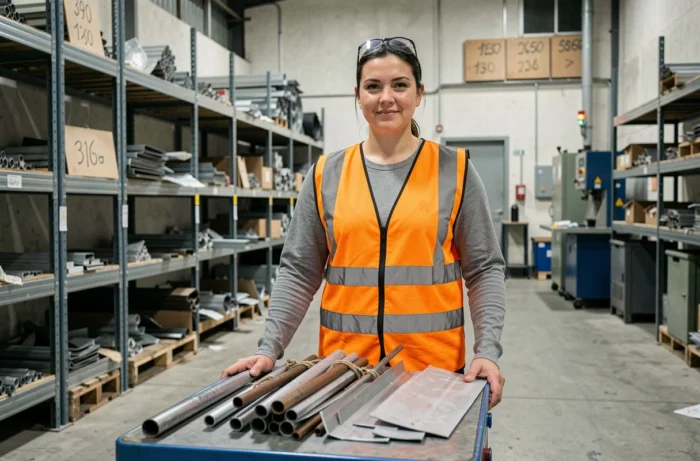
You may have noticed that two batches of seemingly similar metal receive very different prices? The reason lies in the grading classification. A recycler does not pay the same rate for light scrap (thin sheets, cans) as for heavy scrap (beams, rails).
The most profitable distinction remains between ferrous and non-ferrous metals. Ordinary steel and cast iron are traded at just a few cents per kilo. Copper, brass, aluminum, or stainless steel reach significantly higher levels.
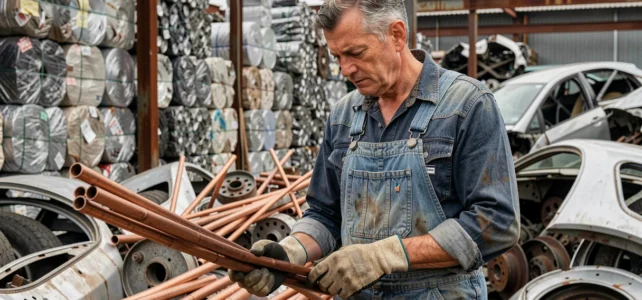
Let’s take a concrete example. Bare, rigid, red electrical copper can be bought back for around ten euros per kilo at some specialized recyclers. Non-bare copper cable, with its plastic sheath, drops to a few euros. The difference comes from the sorting and preparation work you do beforehand.
The categories that yield the most in 2026
- Bare rigid red copper: the highest-paying grade, provided it is free from oxidation, varnish, and grease. A well-sorted kilo is worth significantly more than a mixed kilo.
- Clean brass (faucets stripped of hoses and plastic parts): an intermediate rate that remains attractive for small volumes.
- Aluminum and stainless steel: prices vary according to purity. 18/8 stainless steel (used in sinks and countertops) trades better than magnetic stainless steel.
- Heavy scrap (thick steel, cast iron): the unit price is low, but the volumes compensate on a demolition site.
The principle is simple: the more precise your sorting, the higher the price per kilo. Mixing copper with brass in the same bag means accepting the lowest price of the batch.
Police register and payment: the rules to know before selling
Selling your scrap metal is not just about dropping off a pile of metal and leaving with cash. Regulations govern these transactions more strictly than one might think.
The first constraint: cash payments are capped. Beyond a certain threshold, payment must be made via bank transfer or check. This rule applies to both individuals and professionals.
The second often-ignored point: the buyback professional must record each transaction in a police register. This document lists the type of metal, the weight, the seller’s identity, and the date of the transaction. The ADIE reminded in August 2026 of this traceability obligation in a practical guide for independent scrap dealers.
Why does this concern you as a seller? Because a buyer who does not ask for your ID or refuses to provide you with a sales receipt is likely operating outside the legal framework. A compliant depot protects you in case of disputes regarding the origin of the metals.
The digital product passport for iron and steel is coming
The European framework is set to strengthen further. A delegated act on the digital product passport (DPP) for iron and steel is expected in the last quarter of 2026, with a transition period of at least eighteen months after adoption. This measure aims to trace the composition and origin of metals throughout their lifecycle, from producer to recycler.
For now, this evolution mainly concerns industrial flows. Ultimately, it could change how depots document their scrap metal purchases.
Finding the best scrap metal buyback price near you: a concrete method
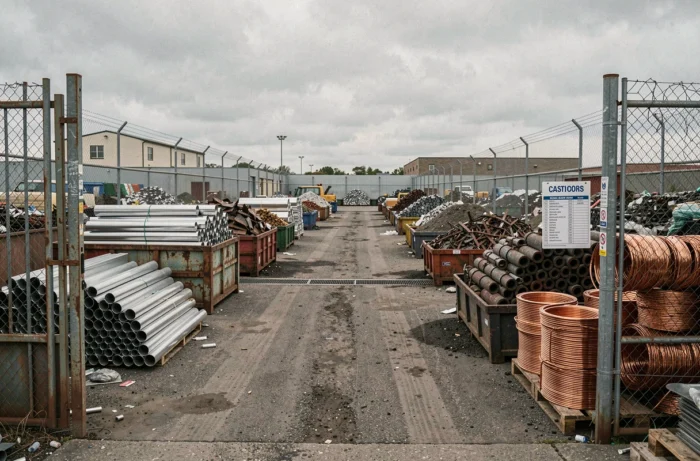
Comparing prices before heading out saves time and money. Here’s an approach that works for both individuals and craftsmen.
- Separate your metals by category before asking for a quote. A batch of clean copper, a batch of scrap metal, a batch of cables. Sorting increases the overall price.
- Call at least three buyback points within a reasonable radius. Ask for the price per kilo for each category, not a total price based on overall weight.
- Check that the site has certified weighing and provides a transaction receipt. This is an indicator of seriousness and a legal requirement.
- Consider transportation costs. A depot that pays slightly less but is ten minutes away may be more profitable than a distant site offering a few cents more per kilo.
The best scrap metal buyback price in 2026 depends as much on your preparation as on the current market rate. A well-sorted batch, sold at the right time, to a buyer transparent about their prices, yields significantly more than a bulk deposit at the first scrap dealer you find. Prices remain volatile this summer, making comparisons between buyers even more useful before each sale.