French craftsmanship is going through a paradoxical period. Passionate creators continue to produce unique pieces, driven by recognized know-how, while the economic indicators of the craft sector show prolonged declines. Understanding this gap between the public’s attraction to handmade creations and the reality faced by artisans helps to better guide purchases and support.
French Craftsmanship: Gap Between Attractiveness and Economic Situation
The contrast between the creative vitality of artisans and the economic health of the sector deserves to be clearly stated. The available data paints a two-speed picture.
| Indicator | Recent Trend |
|---|---|
| Overall Craft Activity | 13 consecutive quarters of decline |
| Artisans’ Optimism for Their Business | 31% consider themselves optimistic, a drop of about 20 points in one year |
| Pride and Attachment to the Trade | Remains high despite the situation |
| Attractiveness of Craft Professions | Still strong among the public and young people |
The construction sector accounts for a significant part of this decline, but creative professions (fashion, accessories, art, decoration) are also not spared from pressure on margins and investment.
On the other hand, the public’s attachment to handmade products remains strong. Consumers seek unique creations, an authenticity that mass production cannot offer. This appetite supports passionate creators who manage to make themselves visible, particularly through dedicated platforms like made-by-createurs.fr that bring together artisans from different fields.
Mood of Artisan Creators: What the Numbers Reveal
Behind the well-kept storefronts and creator markets lies a more tense reality. Only 31% of artisans declare themselves optimistic about the future of their business. Nearly half now consider themselves pessimistic.
This drop in morale, of about 20 points in one year, reflects concrete difficulties: rising fuel prices, stagnant investment, reduced margins. Artisans in the creative sector (leather, jewelry, textiles, ceramics) are also facing rising raw material costs.
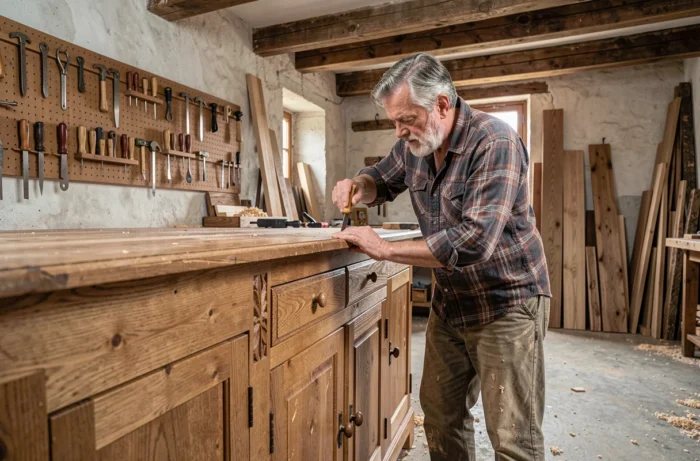
In contrast, pride in craftsmanship remains intact. Creators continue to value their trade, their technical mastery, and the quality of their finishes. This gap between economic morale and professional attachment explains why so many artisans persist despite an unfavorable context.
Why Direct Purchase Better Supports Creators
Buying directly from an artisan, in a shop, at a market, or through a specialized platform, changes the distribution of value. The margin remains entirely with the creator instead of being captured by intermediaries.
- A handmade product purchased directly finances the renewal of the creator’s tools and raw materials
- The connection between buyer and artisan helps to understand the actual manufacturing time, often underestimated by the general public
- Direct customer feedback helps the artisan adjust their creations without relying on marketplace algorithms
This direct relationship helps maintain active workshops in France, in sectors where every order counts.
Quality Criteria to Recognize a Reliable Artisan Creator
The online artisan offering has significantly expanded. Distinguishing a genuine French creator from a reseller requires a few simple checks.
Traceability of Materials and Place of Manufacture
A transparent artisan indicates the origin of their materials (leather, wood, fabric, metal) and the precise place of manufacture. The workshop in France is a verifiable criterion, not just a marketing mention. Serious creators publish photos of their workspace or offer visits.
Labels and Mentions to Know
Some distinctions help to navigate. The title of Best Artisan in France, awarded through television and professional competitions, recognizes technical excellence in specific categories. Other regional or sectoral labels attest to verified know-how.
- The mentions “handmade” or “artisan-made” do not all have the same legal weight
- An artisan registered in the trades directory has a verifiable official status
- Specialized platforms sometimes conduct pre-selection, filtering out resellers
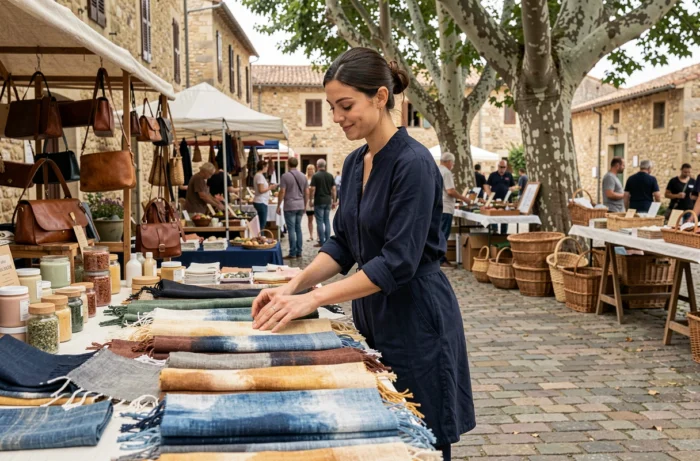
Most Dynamic French Artisan Sectors in Creation
Not all artisan sectors experience the same pace. Fashion, leather accessories, and decoration account for a significant share of active creators on online platforms.
French artisanal textiles are benefiting from a resurgence of interest driven by environmental concerns. Creators who work with natural or recycled materials find an audience sensitive to sustainability. Handmade leather goods, bolstered by the reputation of French leather, remain a sector where craftsmanship justifies prices higher than those of industrial production.
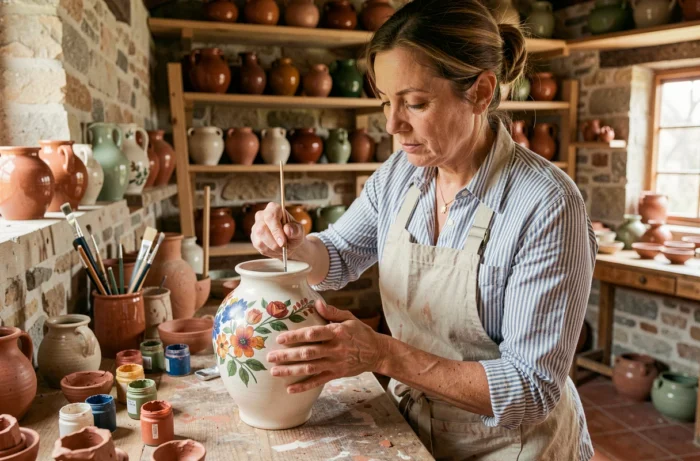
Ceramics and pottery are also experiencing a revival. Artisans based in rural areas supply an urban clientele through online sales, changing the traditional geography of artisanal art.
In contrast, artisan professions related to construction are going through a prolonged crisis, with declining order books and recruitment difficulties. The slowdown in apprenticeships weakens the transmission of know-how in several trades, including creative sectors.
French craftsmanship relies on creators whose talent cannot be measured solely by revenue. Supporting these artisans through thoughtful purchases, by verifying the origin and quality of products, remains the most direct lever to keep alive a local economy that statistical indicators alone cannot adequately describe.